When we think of pollinators, bees often steal the spotlight. But look a little closer around Sydney Olympic Park and you'll find an incredible cast of other insects helping native plants thrive.
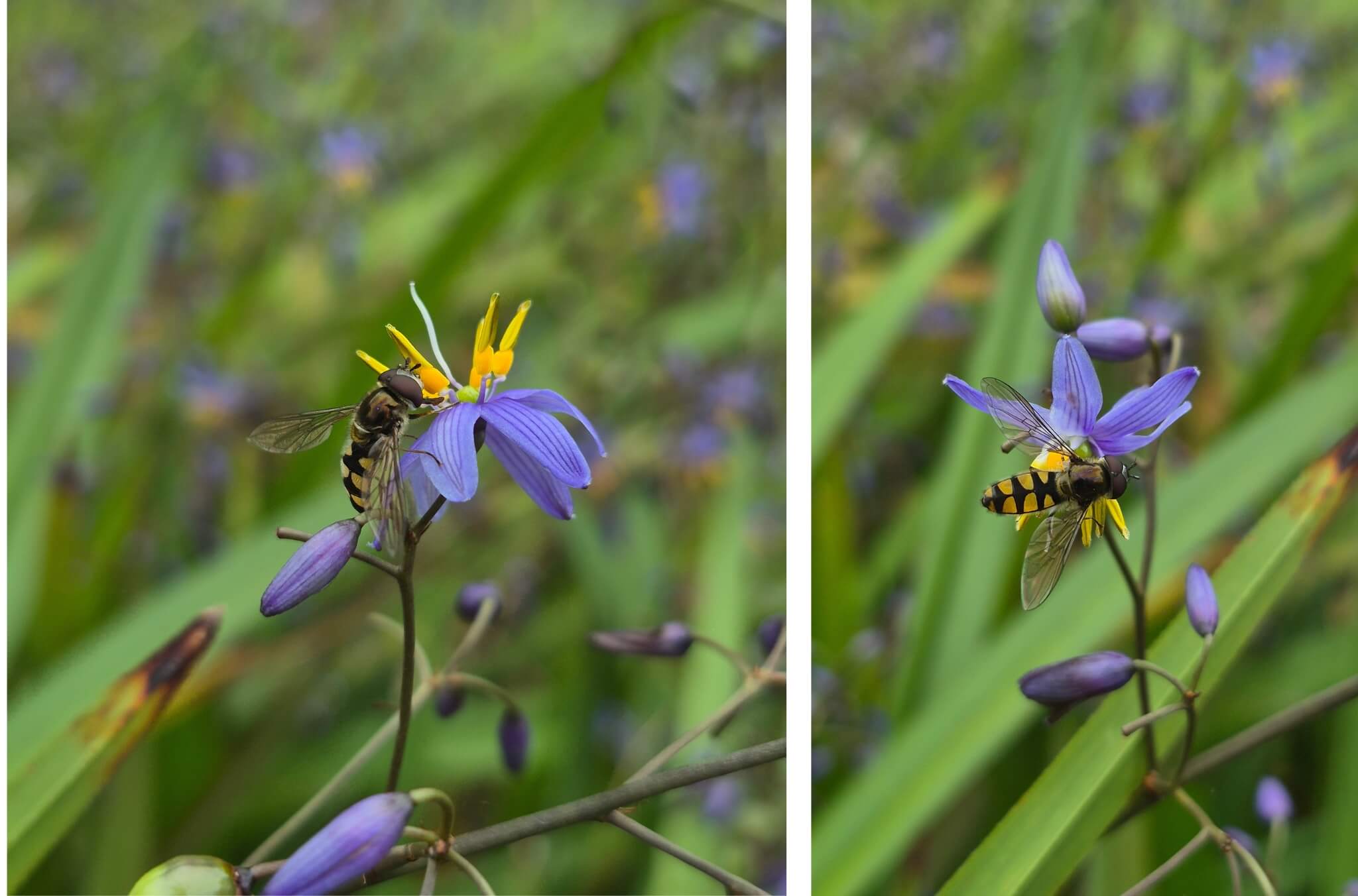
Hoverflies
Hoverflies are among nature's unsung heroes. Often mistaken for bees because of their yellow-and-black stripes, these harmless flies cannot sting. As they move from flower to flower feeding on nectar and pollen, they carry pollen grains between blooms, helping plants reproduce. Their remarkable ability to hover in mid-air before darting away has earned them their common name.
Butterflies
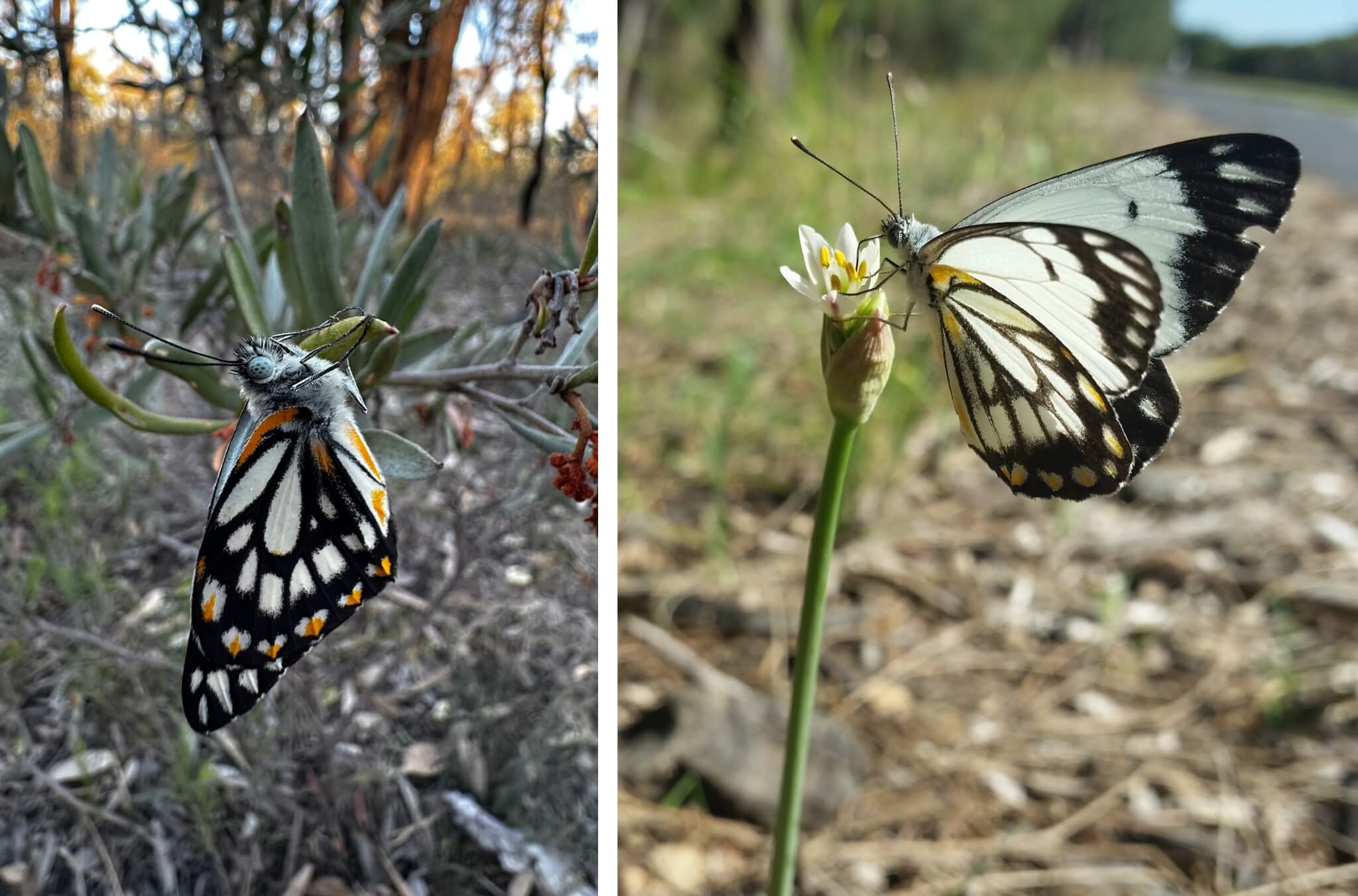
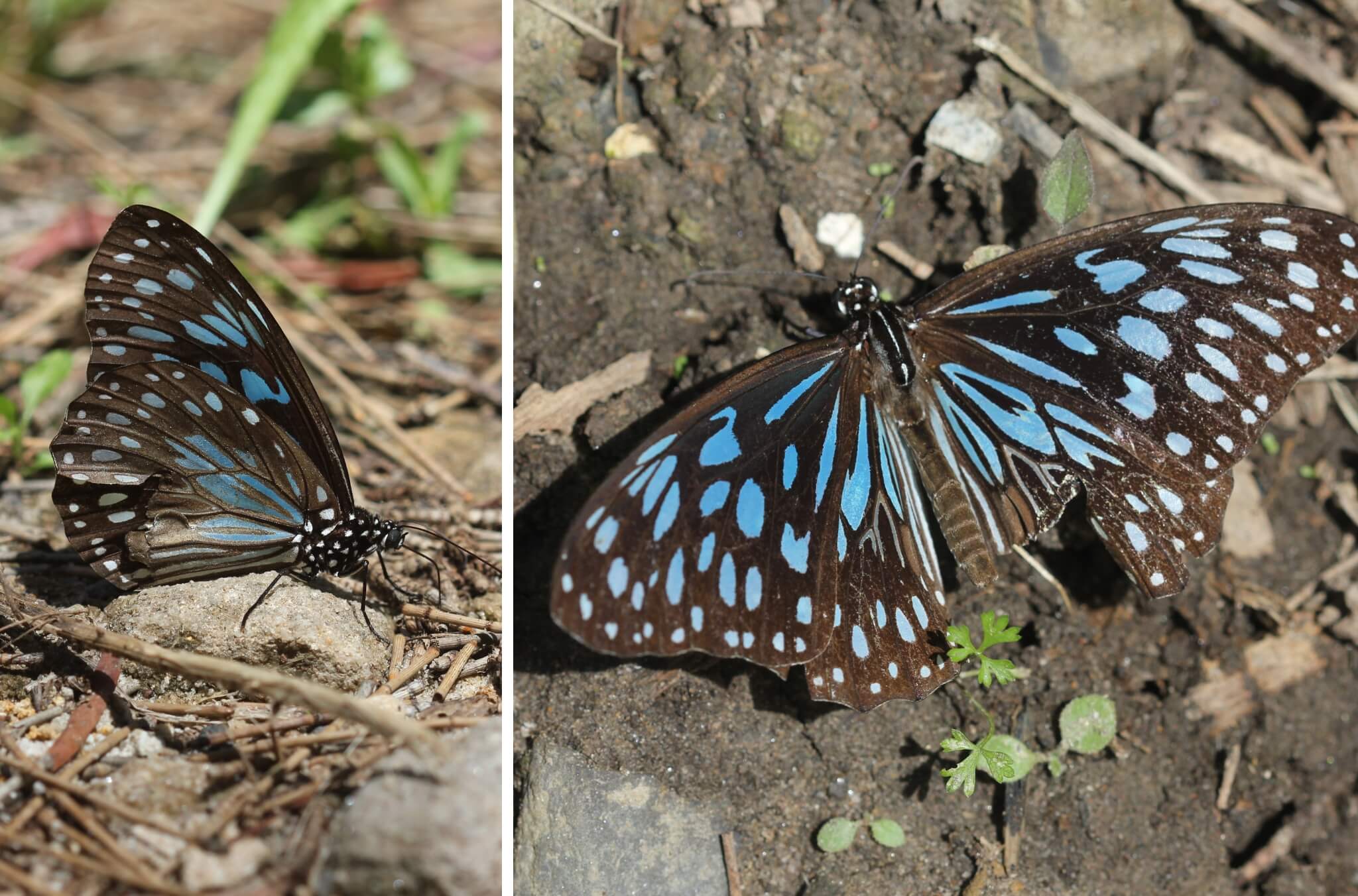
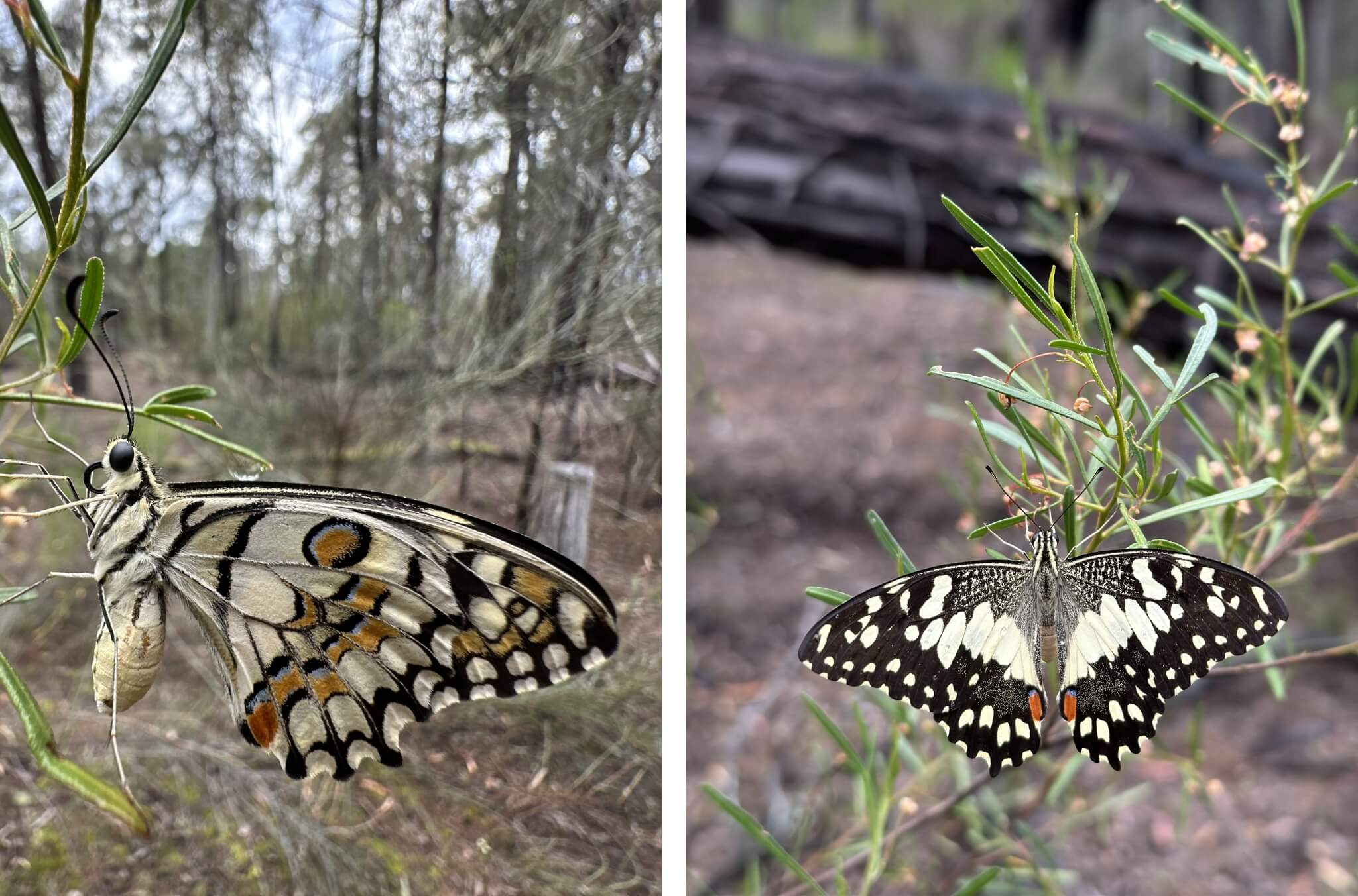
Butterflies also play an important role in pollination. Drawn to brightly coloured flowers, they use their long, straw-like proboscis to sip nectar from deep within blooms. In the process, pollen sticks to their bodies and is transported to other flowers. Species such as the Caper White (Belenois java), Blue Tiger (Tirumala hamata), and Lime Swallowtail (Papilio demoleus) can often be seen fluttering through parks, gardens and bushland habitats during the warmer months.
These insects are more than just beautiful visitors. Pollinators support ecosystems by helping plants produce seeds and fruit, which in turn provide food and shelter for countless other wildlife species. By planting a diversity of native flowering plants and reducing pesticide use, we can create welcoming habitats for hoverflies, butterflies and many other beneficial insects.
Next time you're exploring Sydney Olympic Park, take a moment to watch the flowers. You might spot a hoverfly perfectly suspended in the air or a butterfly drifting between blooms. These tiny pollinators are working hard behind the scenes, helping keep our natural landscapes vibrant and connected.
You might also be interested in...
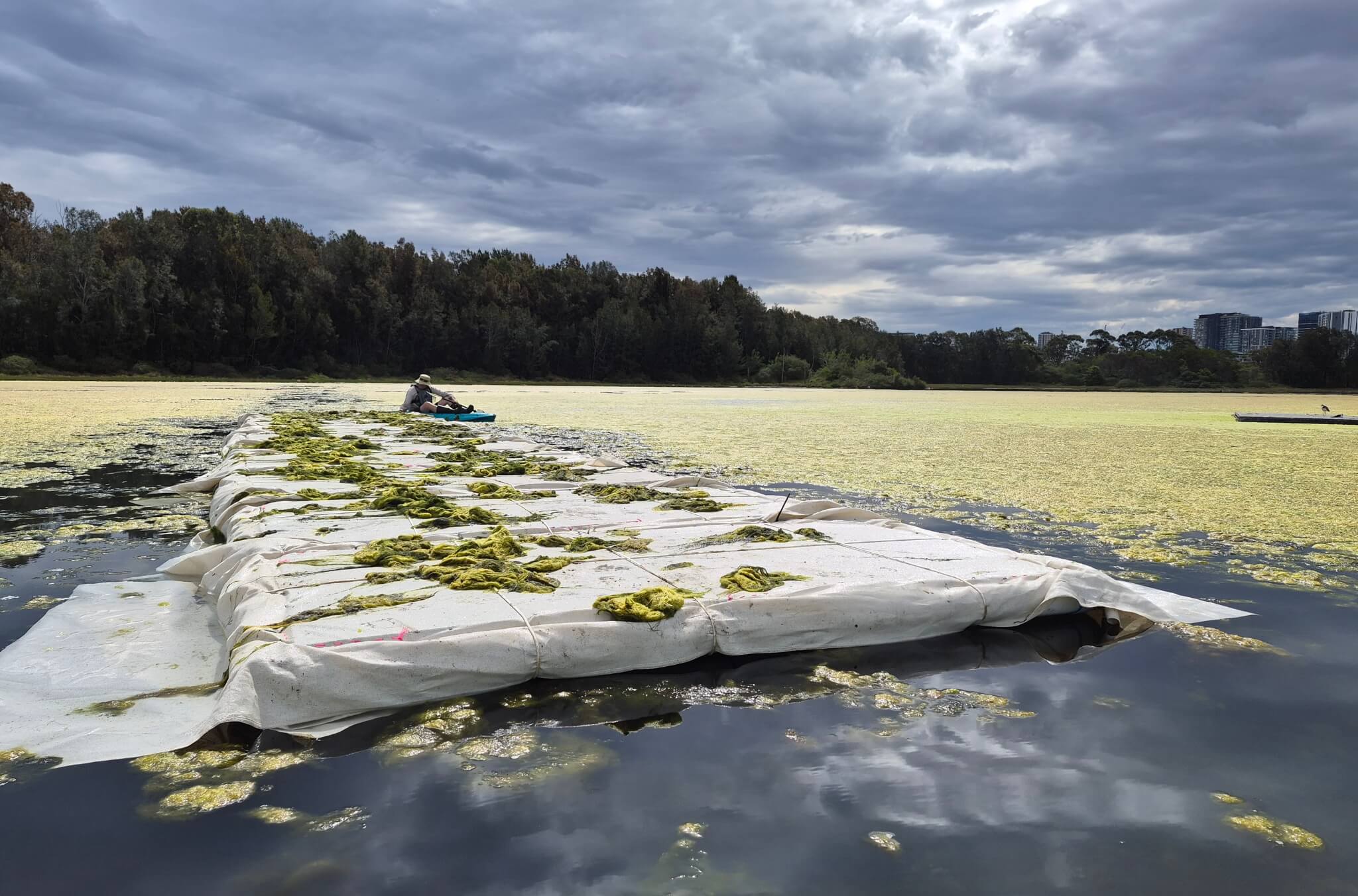

A new island delivers an early success story for waterbirds at Sydney Olympic Park.
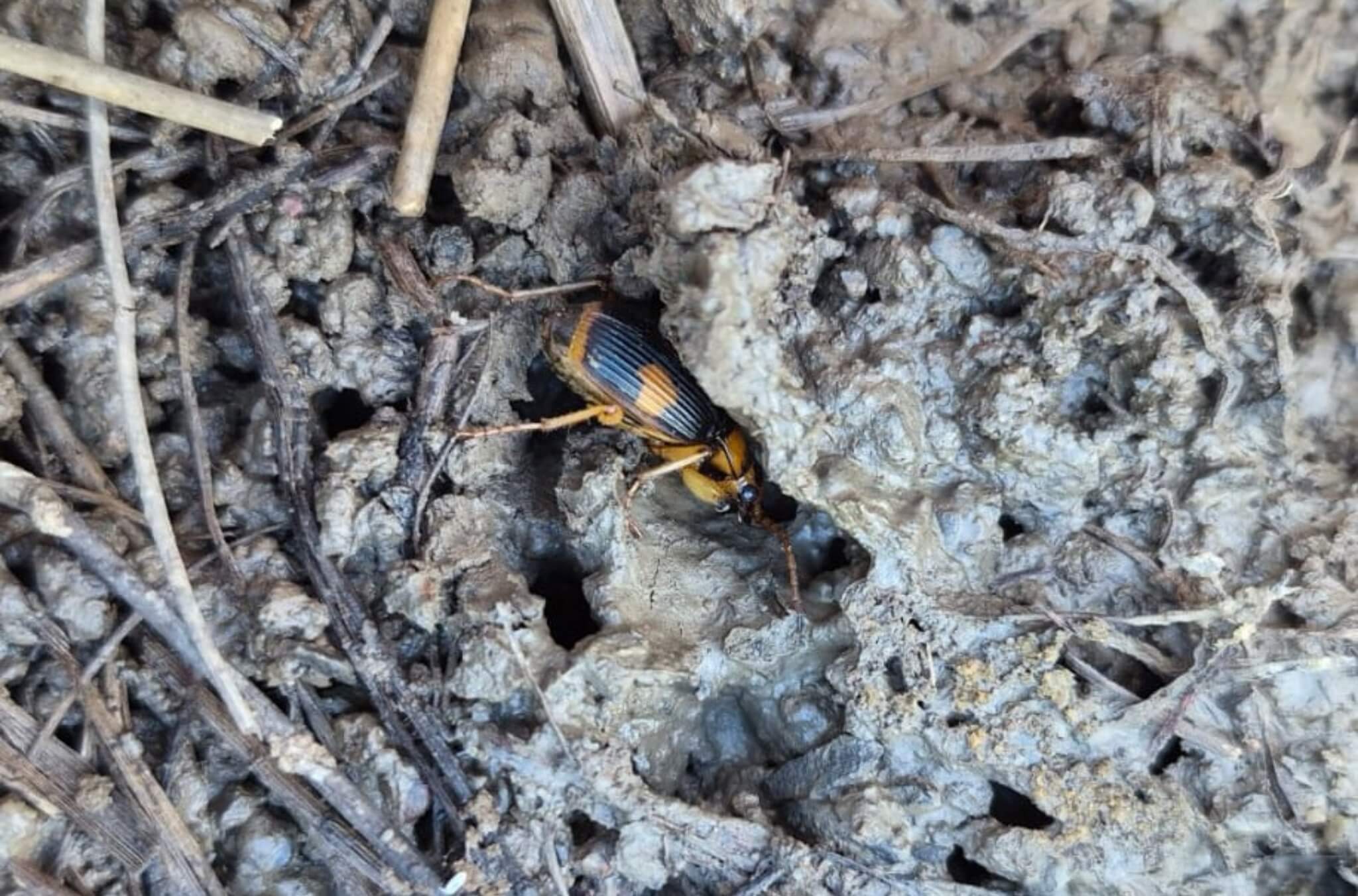
The Bombardier Beetle (Pheropsophus verticalis) belongs to the ground beetle family (Carabidae).