Recent detections of fire ants near Sydney Olympic Park hav
What are fire ants?
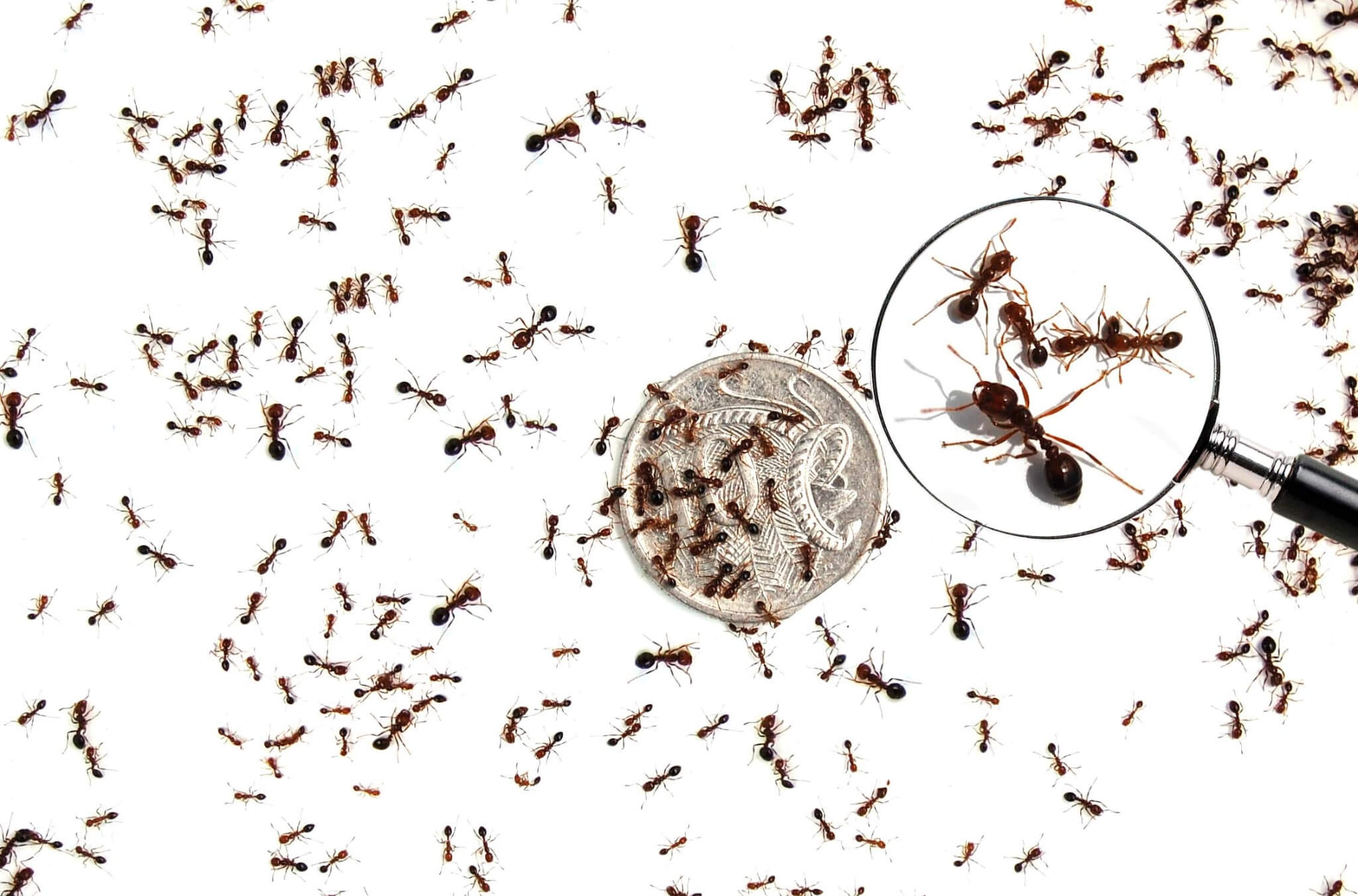
At first glance, a fire ant may look like any other ant. But these tiny insects pack a powerful sting and pose a serious threat to people, wildlife and the natural places we value.
Fire ants are recognised as one of the world's worst invasive species. If allowed to establish and spread, they can disrupt ecosystems, displace native insects, impact ground-dwelling wildlife, and damage habitats. Their aggressive behaviour means they attack in large numbers when disturbed, making them a risk to people, pets and wildlife.
Fire ants are particularly concerning for wildlife. Their stings can injure or kill small animals, reptiles, frogs and nesting birds, while their presence can alter food webs and reduce biodiversity. They are also known to thrive in disturbed environments, where they can rapidly expand into new areas. They’re most likely seen in yards, gardens or in open areas like farms, parks and playgrounds.
So, how can you identify them?
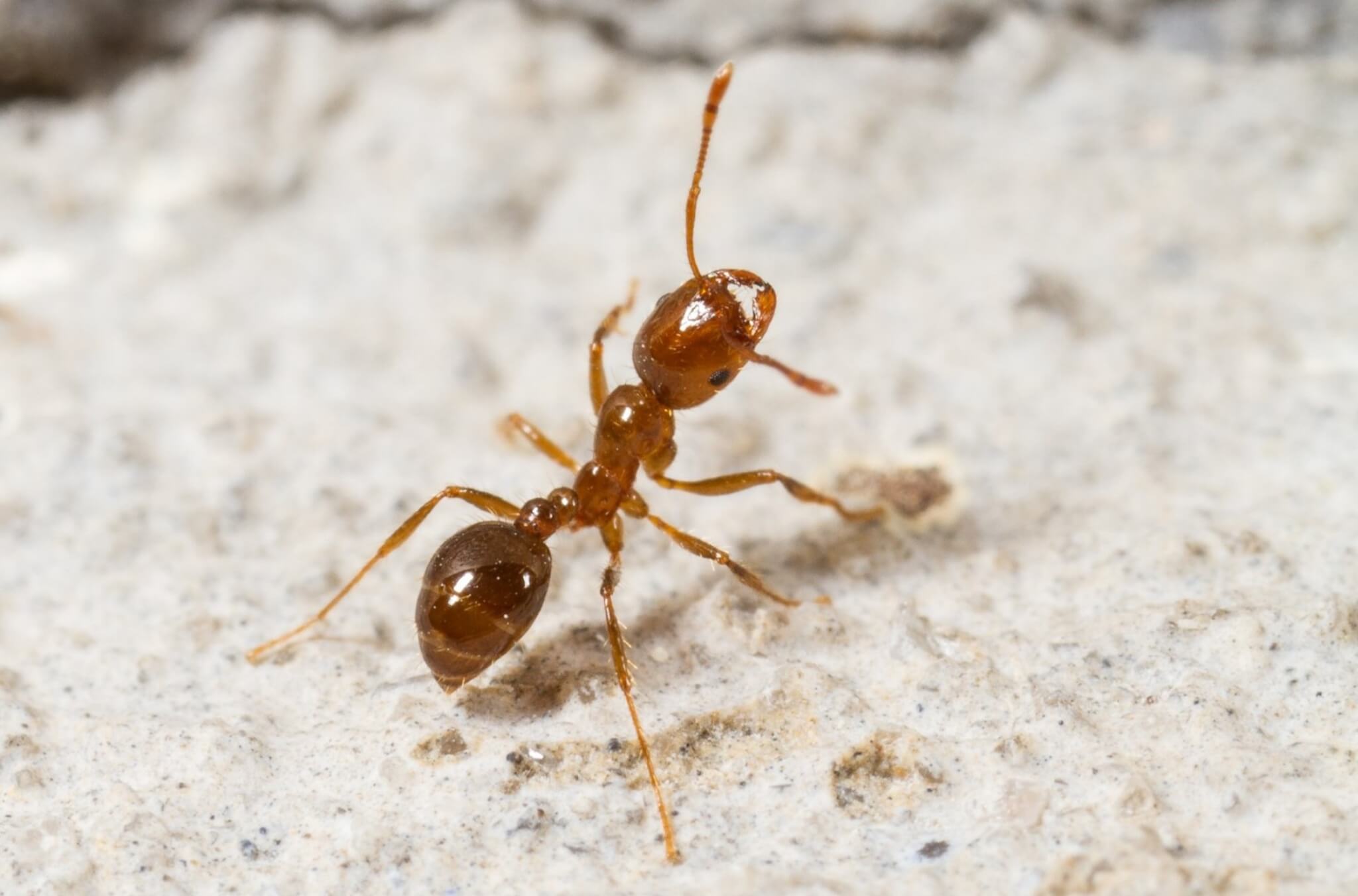
Fire Ants range from 2 to 6 mm in length, with a copper-brown body and a darker abdomen. Their nests are often easier to spot than the ants themselves. Fire ant nests typically appear as loose, crumbly mounds of soil, sometimes up to 40 cm high, with no obvious entrance holes. They are most commonly found in sunny, open areas such as lawns, sports fields, roadsides, gardens and disturbed ground.
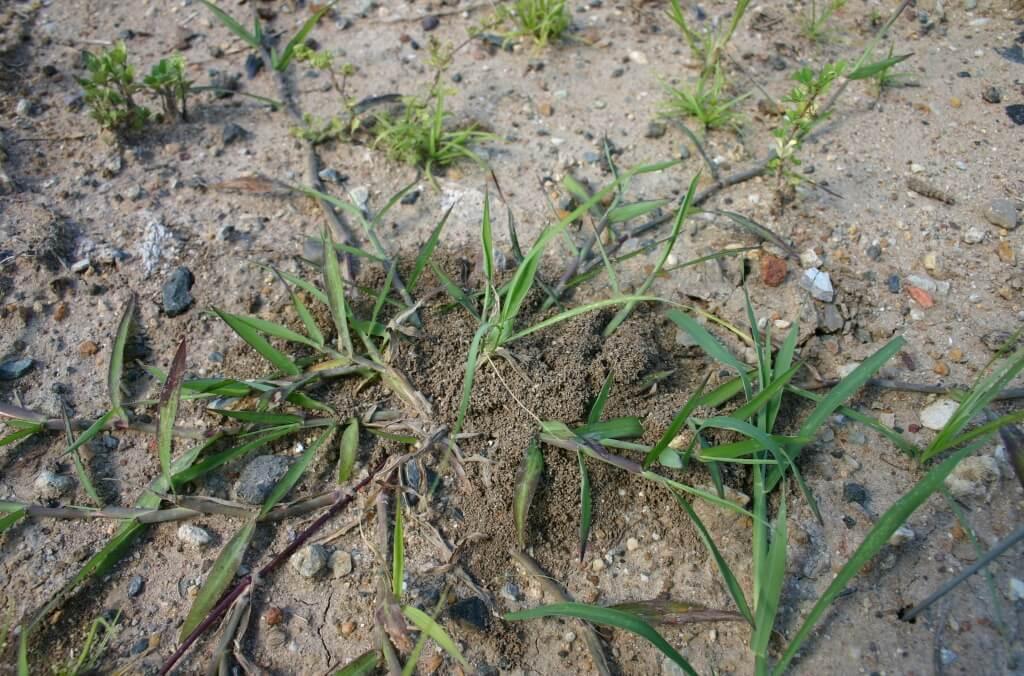
Immature fire ant nest (c) National Fire Ant Eradication Program 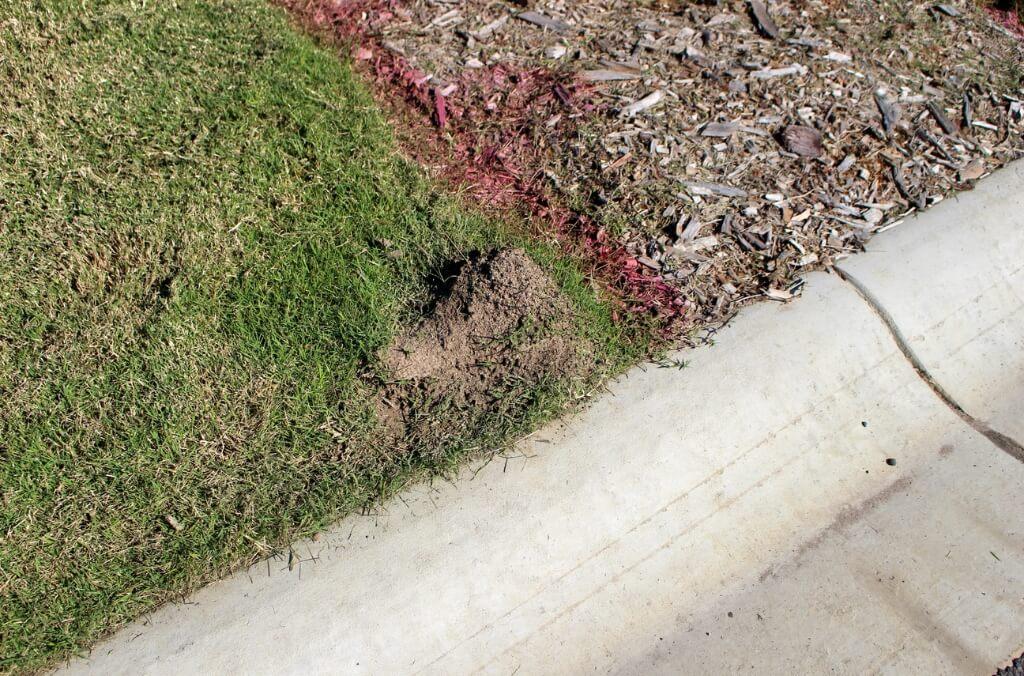
Small fire ant nest next to a footpath (c) National Fire Ant Eradication Program 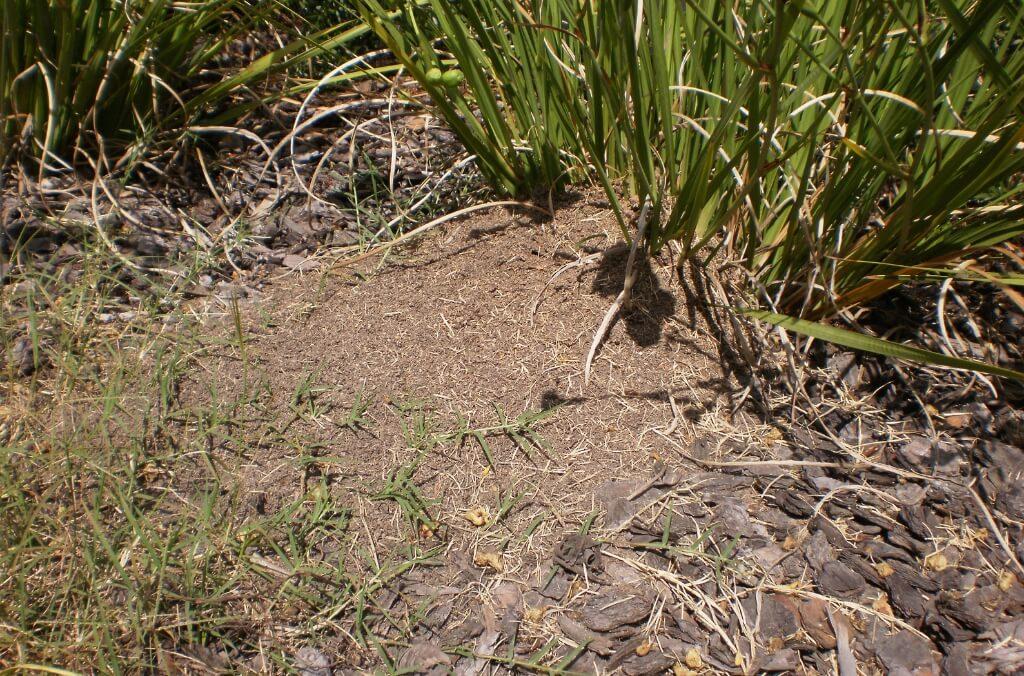
Large nest in a garden bed (c) National Fire Ant Eradication Program
Fire ants can also be accidentally spread through the movement of landscaping, construction and maintenance materials, including soil, mulch, turf, plants and equipment. They may shelter in cavities within transported materials, making careful inspection important before items enter the Park. Contractors and staff undertaking landscaping, maintenance or construction works should remain alert for fire ants and their nests.
If you suspect you've found fire ants, remember: Leave it, Snap it, Report it. Do not disturb or treat the nest yourself. Take a clear photo or video if it is safe to do so and report the sighting to the NSW Biosecurity Helpline (1800 680 44 or online). Early detection is one of the most effective tools in preventing this invasive pest from gaining a foothold in New South Wales.
By keeping an eye out for fire ants and reporting suspicious sightings, we can all help protect our communities and the unique wildlife and habitats that make Sydney Olympic Park such a special place.
More information on fire ants can be found on the NSW DPIRD website.
You might also be interested in...
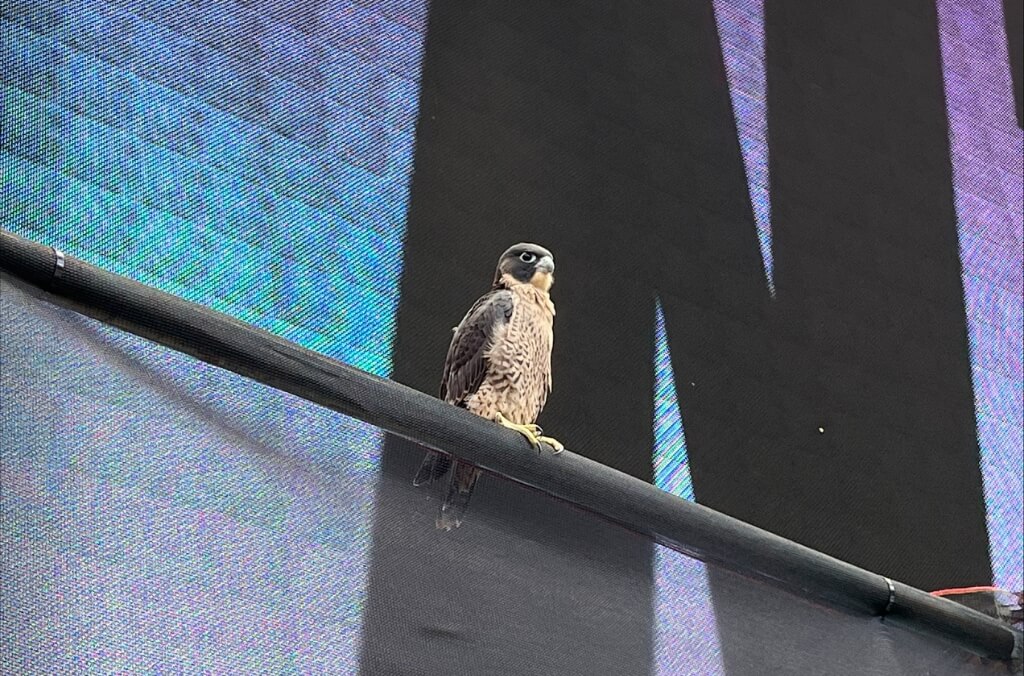

Accor Stadium has quietly become an unlikely nesting site for one of the world's most impressive birds.
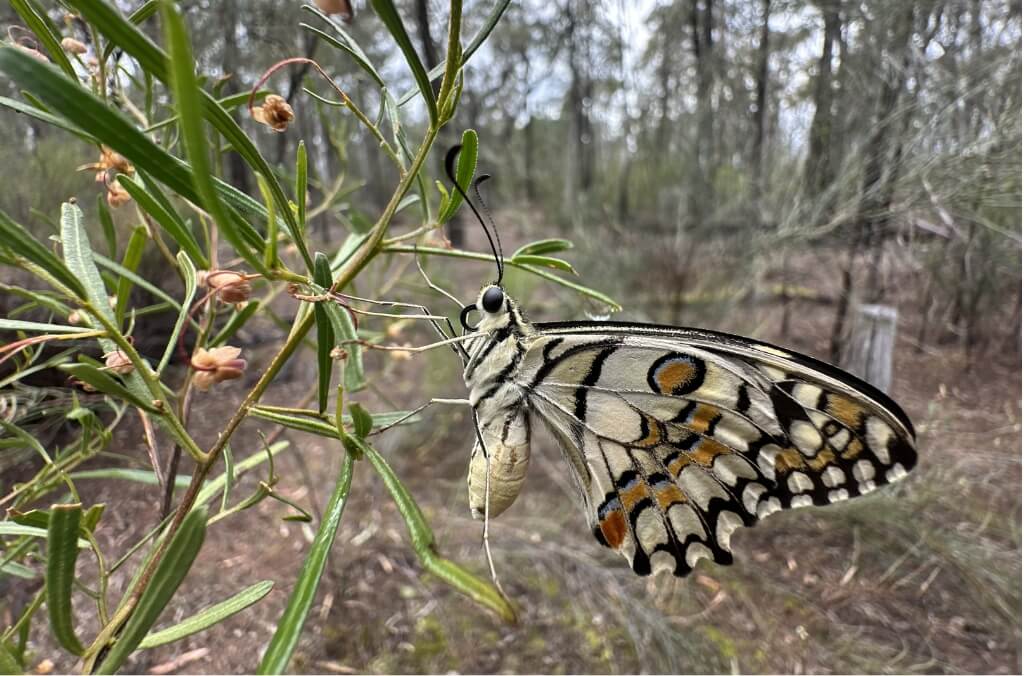
In Sydney Olympic Park you'll find an incredible cast of other insects helping native plants thrive.
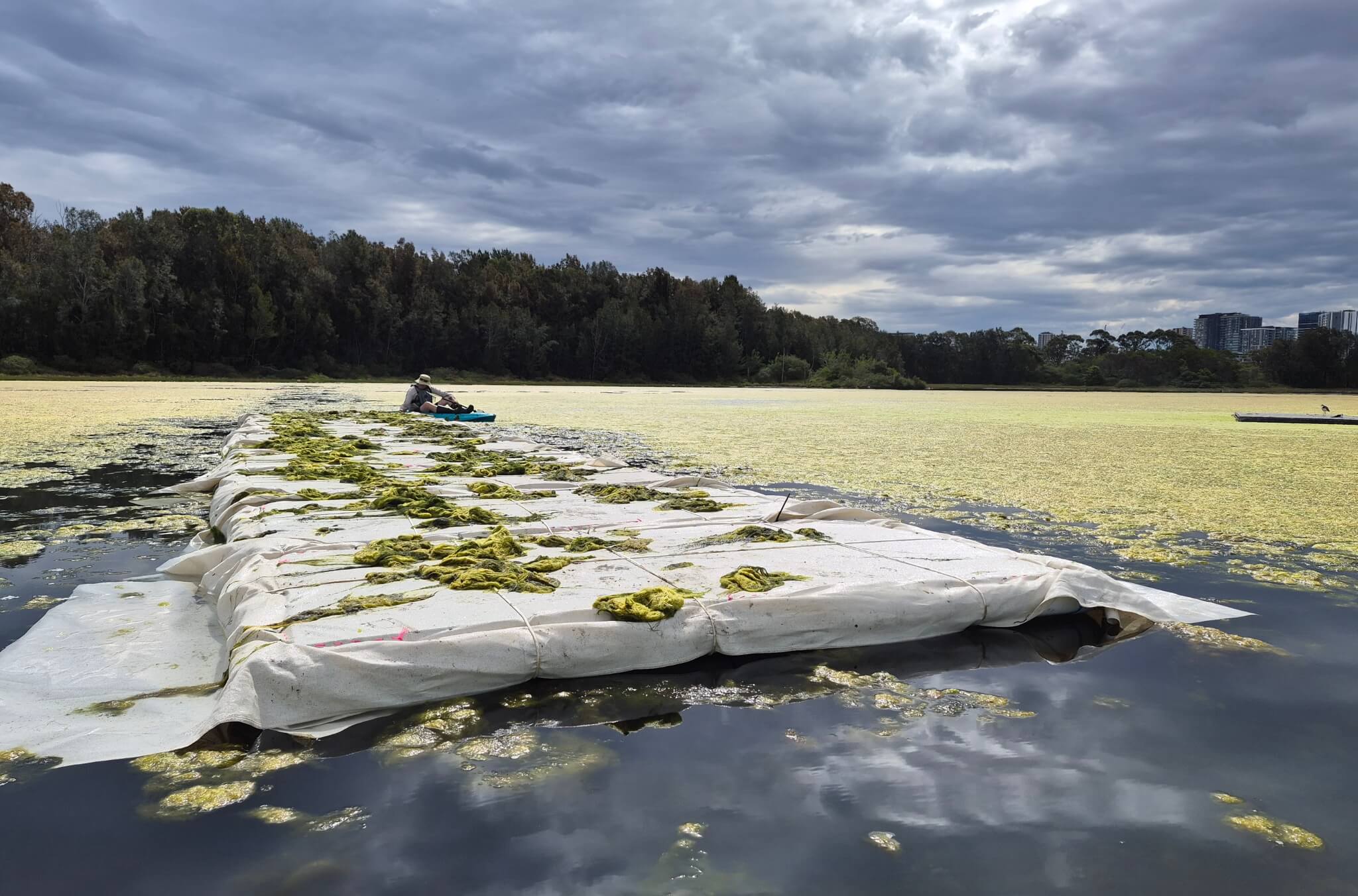
A new island delivers an early success story for waterbirds at Sydney Olympic Park.