When walking through Sydney Olympic Park, it is easy to notice the towering eucalypts, colourful wildflowers and abundant birdlife. However, some of nature’s most fascinating organisms are much smaller and often overlooked.
Lichens, slime moulds, liverworts and mosses thrive in damp, sheltered places throughout the Park. Together, they form miniature worlds that help keep ecosystems healthy and functioning.
Lichens
Lichens are remarkable partnerships between fungi and algae. They grow on rocks, tree trunks and even old fence posts, creating a mosaic of colour. Because they are sensitive to pollution, lichens can be useful indicators of environmental health.
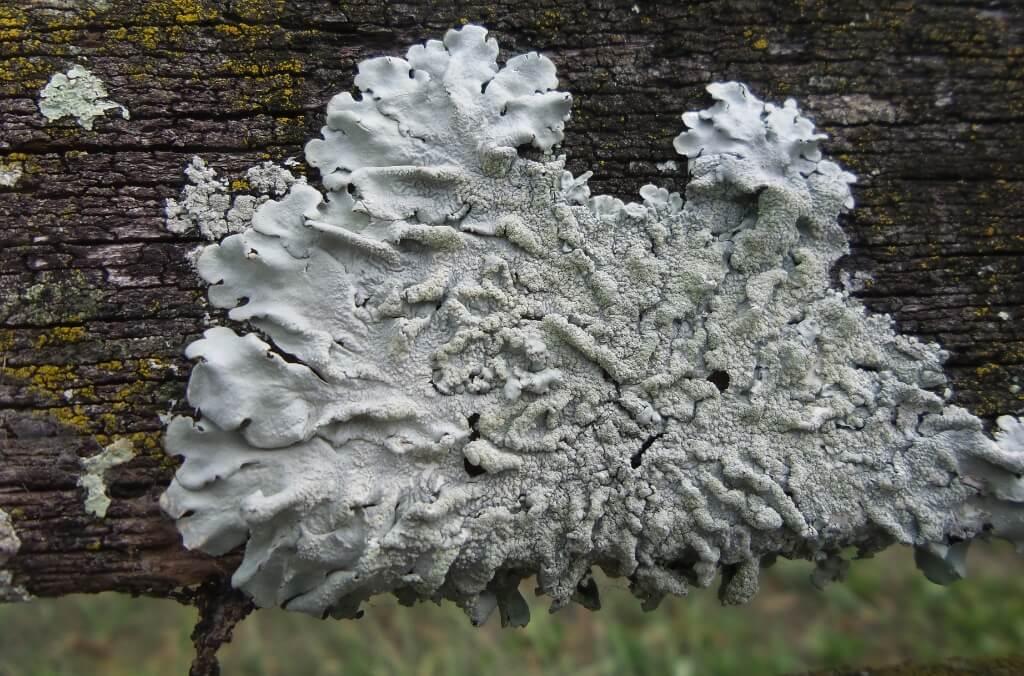
Shadow Greenshield Lichen (Flavoparmelia soredians) 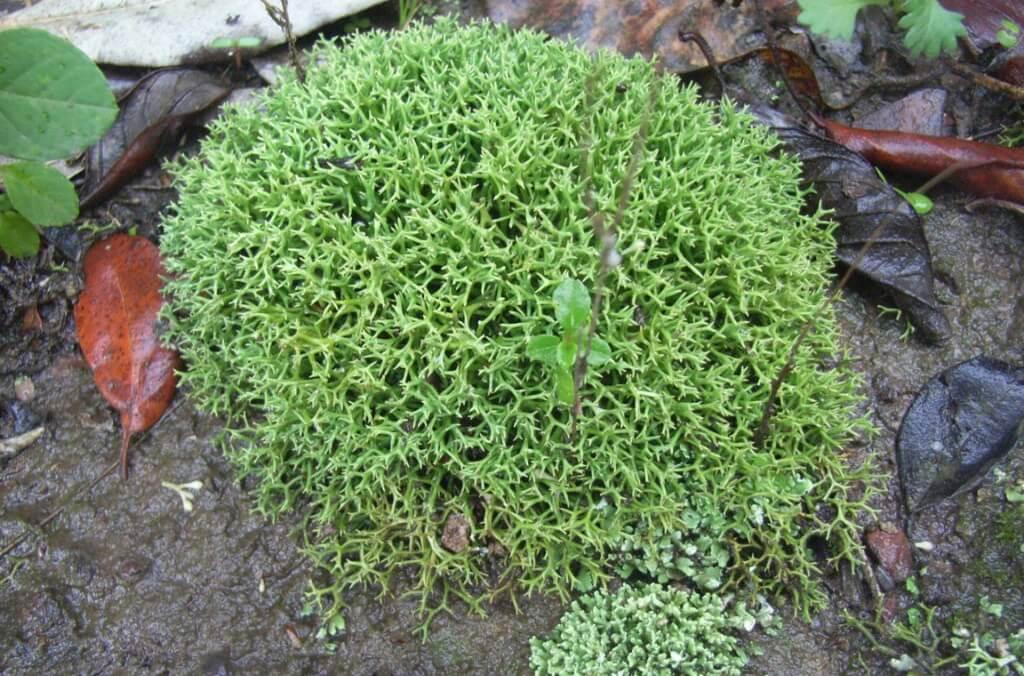
Common Coral-Lichen (Cladia aggregate) 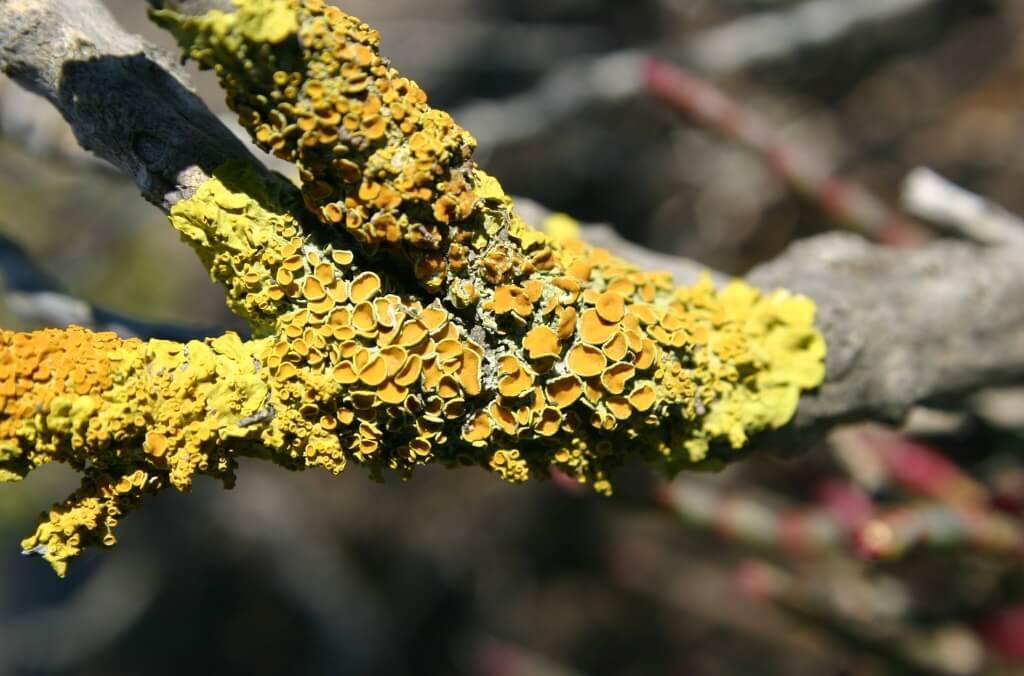
Common Sunburst Lichen (Xanthoria parietina) 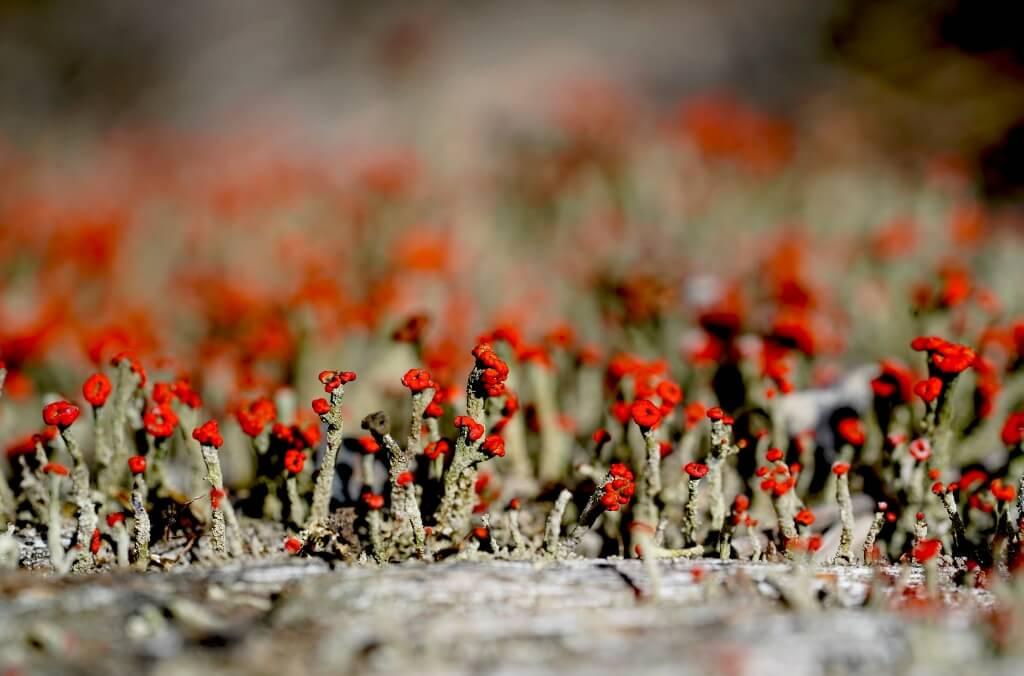
Gritty British Soldiers Lichen (Cladonia floerkeana) 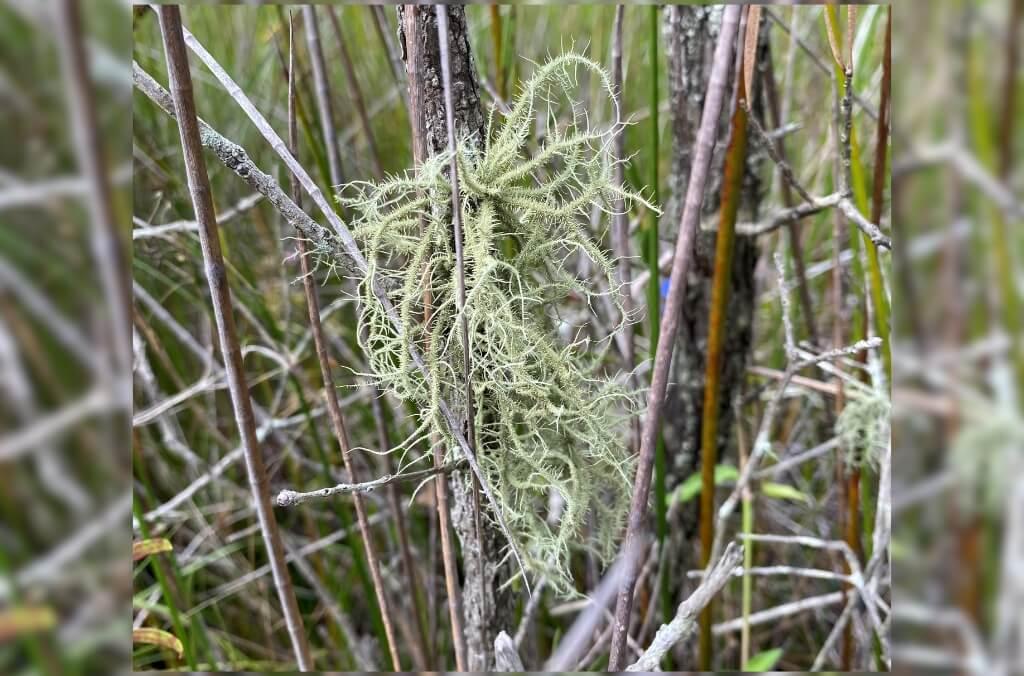
Bristly Beard Lichen (Usnea hirta) – (c) Phil Mulhearn
Slime moulds
Slime moulds may look like tiny blobs of jelly or colourful foam, but they are neither plants nor fungi. These curious organisms move slowly across decaying leaves and logs, feeding on microscopic organisms. Their unusual shapes and bright colours make them a favourite discovery for keen nature observers.
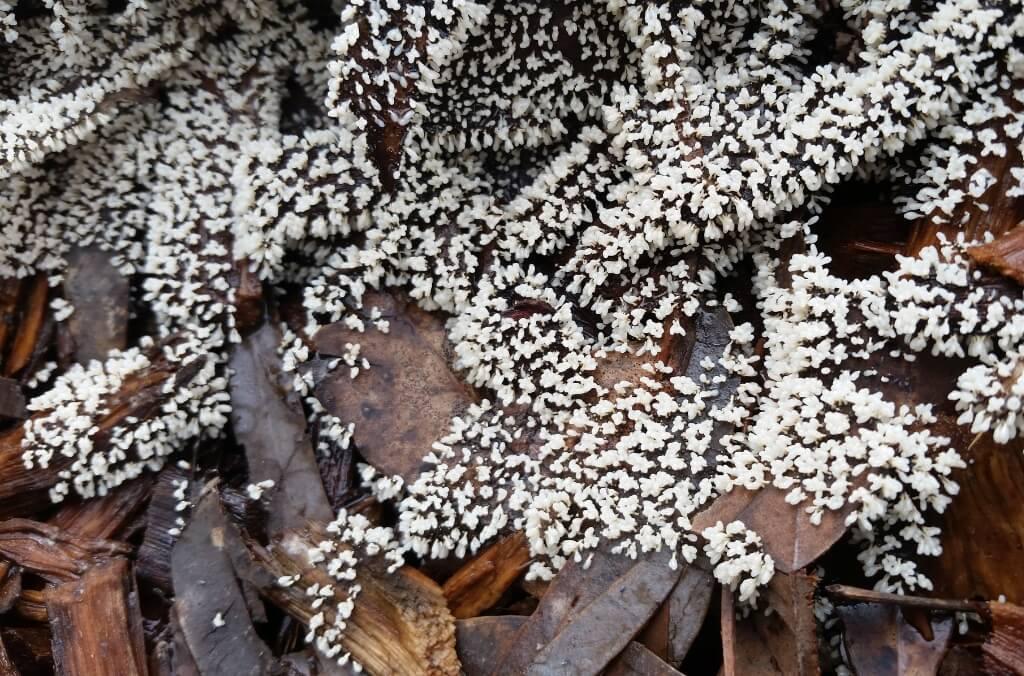
White Carnival Candy Slime Mould (Arcyria cinerea) 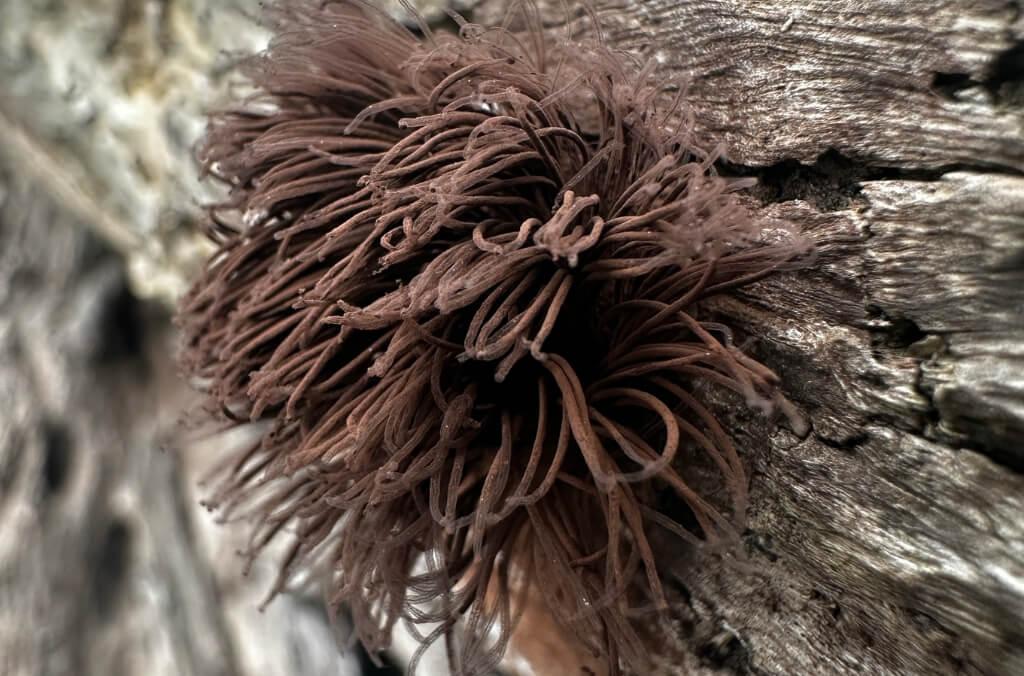
Chocolate Tube Slime (Stemonitis splendens)
Liverworts
Liverworts are among the oldest land plants on Earth. Often found in moist, shaded areas, they form delicate green mats on soil, rocks and fallen timber. Despite their small size, liverworts help retain moisture and provide habitat for tiny invertebrates.
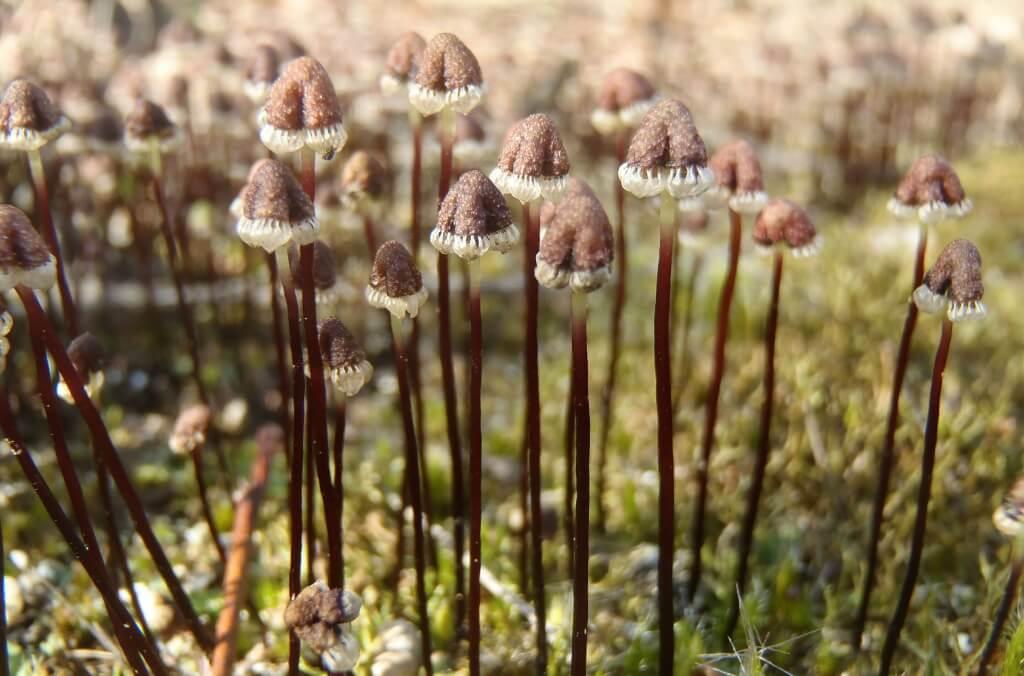
Licorice Strap Liverwort (Asterella drummondii)
Mosses
Mosses are perhaps the most familiar of these miniature marvels. Their soft green cushions can be found on rocks, tree bases and damp ground. Like liverworts, mosses help reduce soil erosion, hold water in the landscape and create shelter for a variety of small creatures.
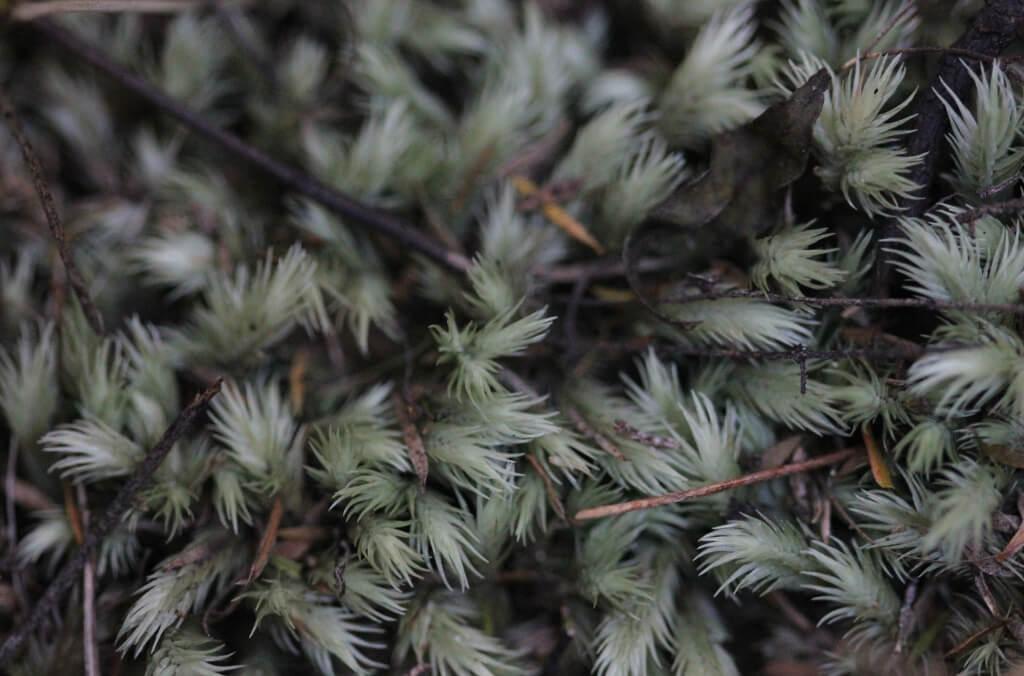
Milk Moss (Leucobryum javense) 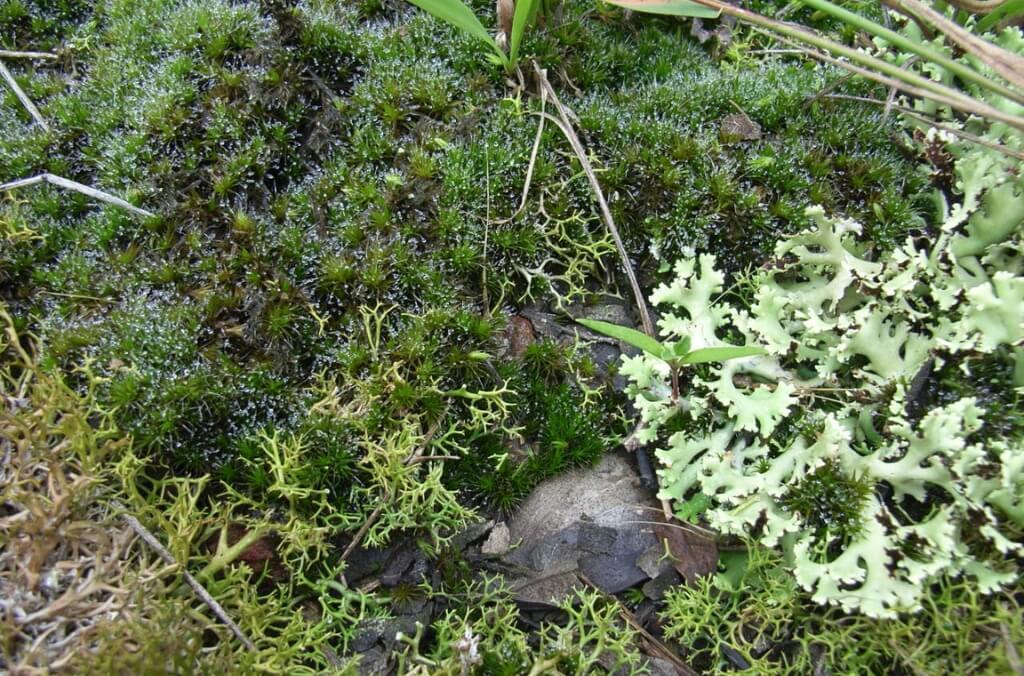
Heath Star Moss (Campylopus introflexus; centre, top and right) amongst ground dwelling lichen species Heterodea muelleri (left), Common Coral-Lichen (Cladia aggregata) (bottom)
Next time you explore Sydney Olympic Park, take a closer look at the ground, fallen logs and shaded corners of the landscape. You may discover an entire hidden world of lichens, slime moulds, liverworts and mosses quietly working to support the ecosystems around us.
You might also be interested in...
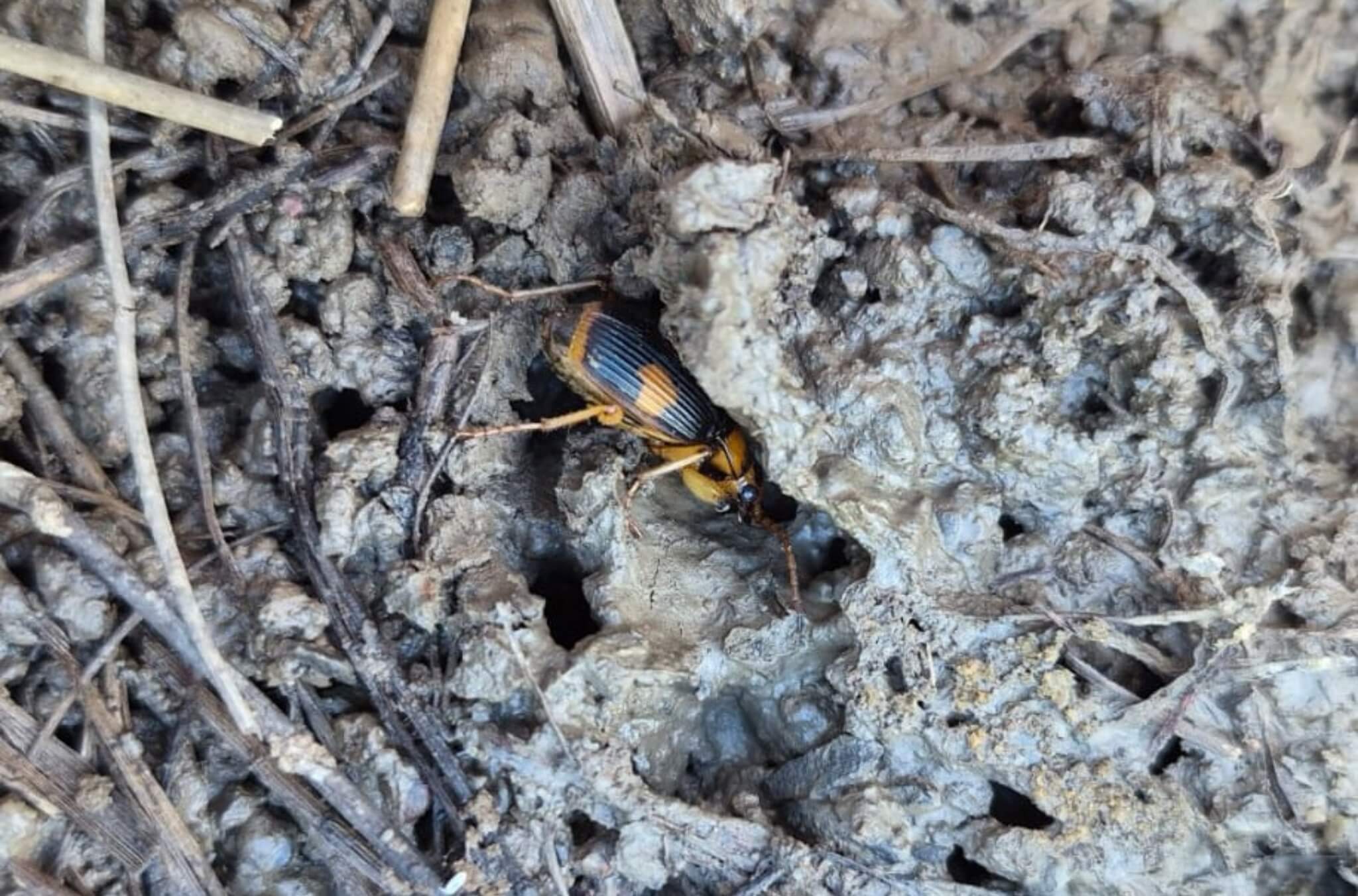

The Bombardier Beetle (Pheropsophus verticalis) belongs to the ground beetle family (Carabidae).
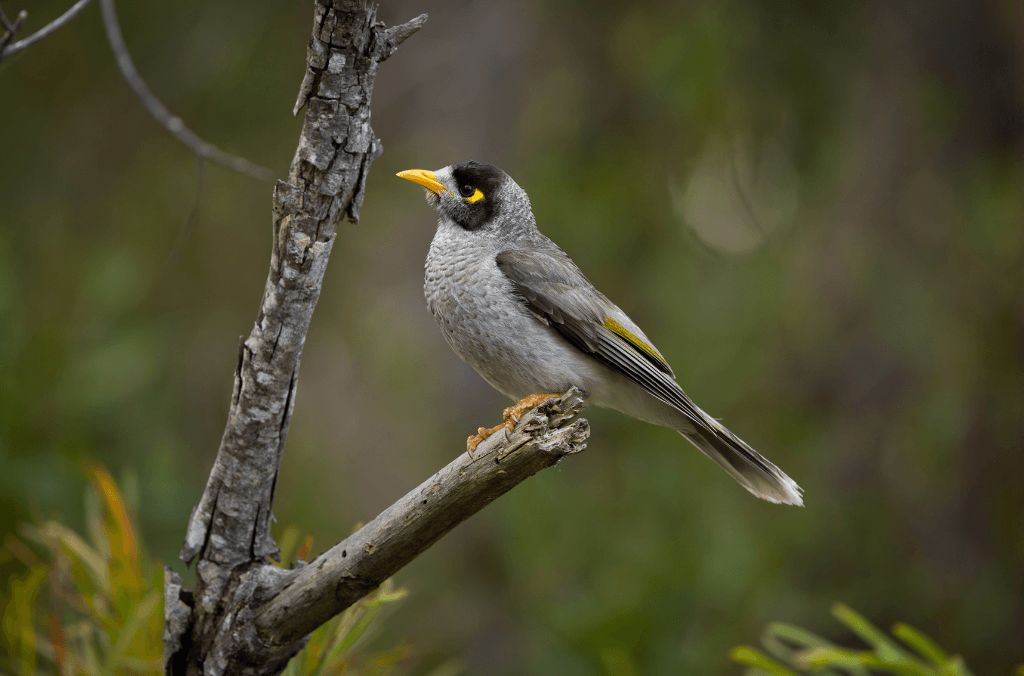
If the Noisy Miner and the Common Myna entered a bird lookalike competition, they'd almost certainly make the final.